Cons of LVT Flooring
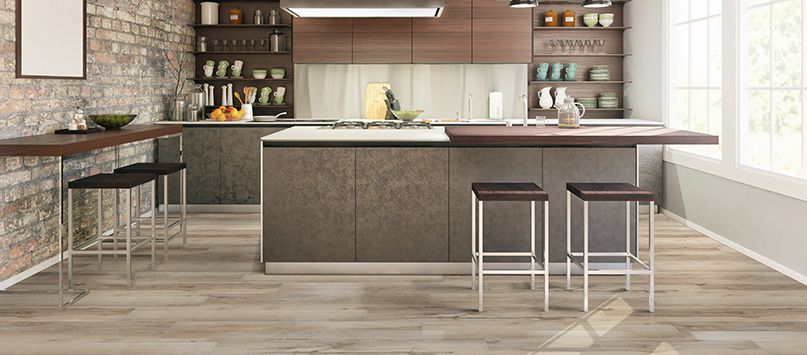
- Versatility: LVT flooring comes in a wide range of styles, colours, and patterns, allowing you to customize the look of your space. It can mimic the look of natural materials like wood and stone, providing a high-end look at a lower cost.
- Durability: LVT flooring is designed to withstand heavy foot traffic and wear and tear. It is scratch-resistant and water-resistant, making it suitable for high-traffic areas like entryways, kitchens, and bathrooms.
- Low Maintenance: LVT flooring is easy to clean and maintain. It can be swept or vacuumed regularly to remove dirt and debris. Additionally, it is stain-resistant and can be wiped clean with a damp cloth.
- Affordability: LVT flooring is more cost-effective than natural materials like hardwood or stone. It provides a high-end look at a lower cost.
Pros of LVT Flooring
- Installation: LVT flooring installation can be more complicated than other flooring options. It requires a level subfloor and proper adhesive application. Additionally, some LVT flooring options require professional installation.
- Environmental Impact: LVT flooring is made from synthetic materials, which can hurt the environment. Additionally, some LVT flooring options may contain harmful chemicals.
- Not as Durable as Natural Materials: While LVT flooring is durable, it is not as durable as natural materials like hardwood or stone. It can scratch or dent over time and may need to be replaced sooner than raw materials.
Leave a Reply